
Shopping Mall Retail Shop Signage in Singapore: Requirements & Things to Know
Updated: Apr 23
Opening a retail shop in a shopping mall in Singapore involves more than just design and renovation. One of the most overlooked areas is signage installation, which requires proper planning, approvals, and compliance with mall management regulations.
In this guide, we share important things shop owners should know before installing signage in shopping malls.
1. Paperwork & Permit to Work (PTW)
Before any signage installation can begin, most shopping malls require a Permit to Work (PTW).
To obtain approval, you may need to submit:
Risk Assessment (RA)
Method of Installation (Method Statement)
Worker’s Compensation Insurance
Public Liability Insurance (under MCST requirements)
Shop drawings with technical specifications
Without proper documentation, installation will not be approved.

________________________________________________________________________
Safety Certification Requirements
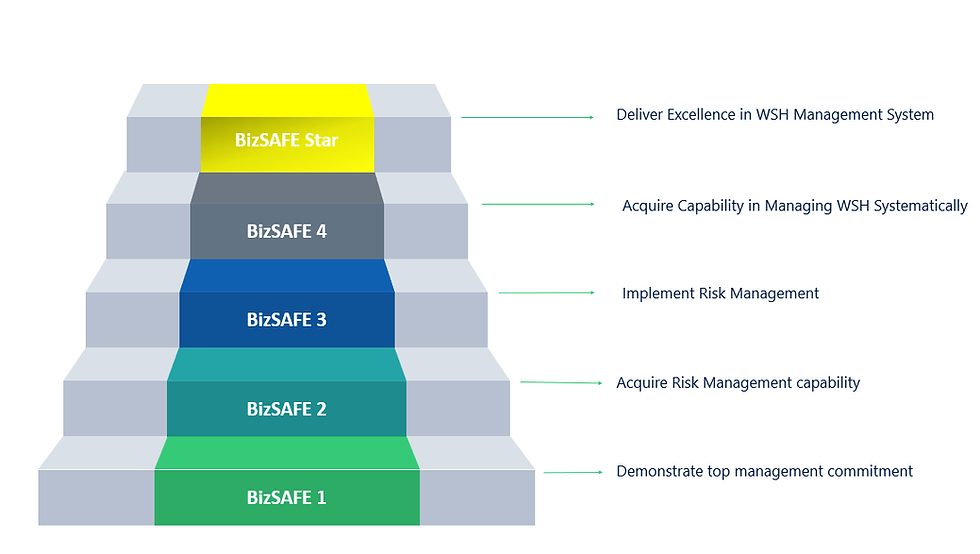
Many shopping malls require contractors to have a minimum safety certification, such as:
BizSAFE Level 3
This ensures that the contractor follows proper safety standards when carrying out installation works.
Restricted Working Hours
One of the biggest challenges in mall signage installation is working hour restrictions.
Typically:
Work is only allowed after 10pm – 11pm
No noisy works allowed during operating hours
If hoarding is installed, only quiet work may be permitted during the day
This requires careful scheduling to avoid delays.

Deposit Requirements for Work
Some shopping malls may require a deposit before work can begin.
This deposit is usually:
A form of security
Refundable upon proper completion
Subject to compliance with mall rules

Why Planning is Important
Due to the strict requirements, signage installation in shopping malls is not just about fabrication.
Proper planning helps to:
Avoid delays in approval
Ensure smooth installation process
Prevent additional costs
Work with an Experienced Signage Company
An experienced signage company will:
Prepare all required documents
Handle submission to mall management
Plan installation within allowed time slots
Ensure compliance with safety and technical requirements
This makes the process much smoother for shop owners.
Conclusion
Shopping mall signage in Singapore requires more than just design — it involves compliance, safety, and proper coordination.
Understanding these requirements early will help business owners avoid delays and ensure a successful shop opening.


Comments